

The Strength of Black Women and Its Effects on Mental Health
- collinslashae6
- Apr 12
- 3 min read

The image of the strong Black woman is celebrated widely, but it carries a complex weight that often goes unspoken. As a high-functioning woman with anxiety, I have seen firsthand how this cultural expectation can shape mental health in ways that are both empowering and challenging. The strength we show is real, but it sometimes masks the struggles beneath the surface, especially when it comes to black mental health.
The Cultural Expectation of Strength
Growing up, I was taught that being strong meant carrying burdens without complaint. For many Black women, this strength is a survival tool shaped by history and societal pressures. It means being the backbone of families, communities, and workplaces, often without visible support. This expectation can create a double-edged sword: it builds resilience but also discourages vulnerability.
For women with anxiety, this can be particularly difficult. Anxiety thrives in silence and isolation, yet the strong Black woman narrative often discourages asking for help or showing signs of struggle. The pressure to maintain composure can lead to internalizing stress, which worsens mental health over time.
Personal Story: Navigating Strength and Vulnerability
I remember a time when I was juggling a demanding job, family responsibilities, and my own mental health challenges. I felt I had to appear unshakable, even though anxiety was a constant companion. Admitting I needed support felt like admitting weakness, which was not an option in my mind.
It wasn’t until I connected with a therapist who understood black mental health that I began to see strength differently. Strength isn’t about hiding pain; it’s about acknowledging it and seeking ways to heal. This shift helped me manage my anxiety better and allowed me to be more authentic in my relationships.
The Impact on Black Mental Health
The strong Black woman stereotype affects black mental health in several ways:
Underreporting of Mental Health Issues
Many Black women hesitate to seek help due to stigma and fear of being seen as weak. This leads to underdiagnosis and untreated anxiety or depression.
Increased Stress and Burnout
Constantly meeting high expectations without adequate support can cause chronic stress, which negatively impacts both physical and mental health.
Isolation
Feeling the need to handle everything alone can create loneliness, which worsens symptoms of anxiety and depression.
Research shows that Black women experience anxiety and depression at rates similar to or higher than other groups but are less likely to receive treatment. This gap highlights the need for culturally sensitive mental health resources that acknowledge the unique pressures Black women face.
Practical Steps to Support Mental Health
Breaking free from the strong Black woman myth requires intentional actions. Here are some strategies that helped me and can support others:
Prioritize Self-Care
Self-care is not selfish. It can be as simple as setting boundaries, taking time for hobbies, or practicing mindfulness. These small acts build resilience and reduce anxiety.
Seek Culturally Competent Support
Finding therapists or support groups that understand black mental health can make a big difference. They provide a safe space to express vulnerability without judgment.
Build a Support Network
Surround yourself with people who respect your feelings and encourage openness. Trusted friends, family, or mentors can provide emotional support and practical help.
Challenge the Narrative
Remind yourself that strength includes asking for help and showing emotions. Sharing your story can inspire others to do the same and reduce stigma.
Use Creative Outlets
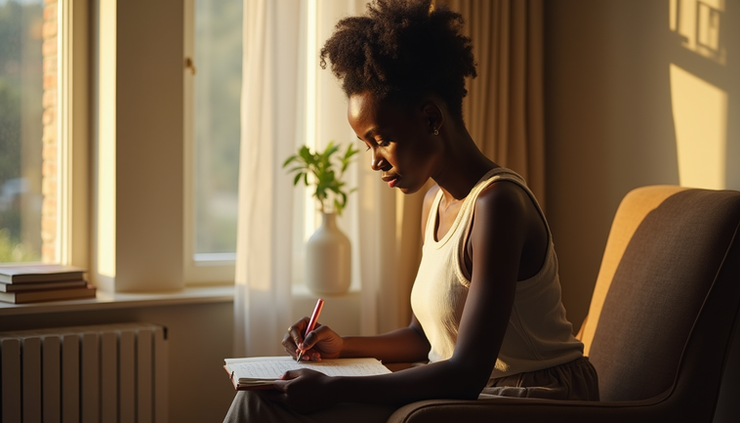
Writing, art, or music can be powerful tools to process emotions and reduce anxiety. I found journaling especially helpful in understanding my feelings and tracking my mental health journey.
Encouraging Open Conversations
Talking openly about mental health is vital. When women with anxiety share their experiences, it normalizes these feelings and encourages others to seek help. In communities where black mental health is often overlooked, these conversations can break down barriers and create a culture of support.
I encourage every woman reading this to start with small steps: talk to a trusted friend, join a mental health group, or simply acknowledge your feelings without judgment. Strength grows when we allow ourselves to be human.

Comments